Healthy Space Therapy

Helping High-Functioning Adults and Couples Move Through Anxiety, Stress, and Relationship Struggles
I work with individuals and couples who feel overwhelmed, stuck in recurring patterns, or disconnected from themselves and each other. Together, we build clarity, emotional flexibility, and more meaningful connection in your life and relationships.
You may be a good fit for therapy if...
Many couples come to therapy feeling stuck in the same arguments, struggling to communicate, or noticing a growing sense of distance in their relationship. These challenges are especially common during periods of transition such as early marriage, becoming parents, or balancing the demands of family and work.Many of my clients are capable, thoughtful people who are doing their best to hold everything together—but privately feel anxious, self-critical, or emotionally exhausted.
Common Challenges:
You might be experiencing:In your relationship:- Repeating the same arguments
- Feeling misunderstood or emotionally distant
- Communication that escalates quickly or shuts down
- Disconnection after major life changes (stress, parenting, etc.)
- Not wanting to pass old family patterns on to your childrenIndividually:- Anxiety or constant overthinking
- Self-doubt or self-criticism
- Feeling overwhelmed or “stuck in your head”
- Difficulty slowing down or relaxing
- Parenting stress, overwhelm, and burnout
COUPLES THERAPY
I help couples navigate:- Communication breakdowns
- Conflict cycles that repeat without resolution
- Emotional disconnection or “feeling like roommates”
- Stress related to parenting, work, or life transitionsI have a particular interest in helping couples stay connected while navigating the demands of parenthood and family lifeThe goal is to help couples move from reactivity and distance toward understanding, teamwork, and emotional reconnection.
INDIVIDUAL THERAPY
I work with individuals navigating anxiety, self-criticism, life stress, and parenting.Many clients are high-functioning on the outside but feel overwhelmed, stuck, or disconnected internally.Therapy focuses on helping you feel more grounded, clear, and aligned with what matters most to you.
How I Work:
My approach is warm, collaborative, and practical.In therapy, we focus on understanding the patterns that keep you stuck while building practical ways to respond differently in moments of stress, anxiety, or conflict.I integrate Acceptance and Commitment Therapy (ACT), attachment-based work, and emotional regulation skills to support meaningful and lasting change.
Clients often describe me as warm, thoughtful, and engaged, while appreciating the practical tools and insights they gain in therapy.I am a Licensed Marriage and Family Therapist (LMFT) licensed in California and Nevada.
© Healthy Space Therapy. All rights reserved.
Services


Schedule
Sessions are 50 minutes long. I usually start seeing clients once a week until we see progress. I then start tapering down sessions according to the client's comfort level.I am offering 15 minute free phone consultations to see if we are a good fit!

Insurance and Payment
Healthy Space Therapy accepts private pay clients. For insurances, we are considered an Out-of-Network provider. If requested, we will be happy to provide you with an invoice that you may submit to your insurance company for reimbursement. We recommend that you contact your insurance company ahead of time to determine the extent of your coverage and reimbursement options.The cost for a 50-minute session ranges from $160-200.
A 30-minute Mental Toughness Coaching session costs $109.
We can offer a sliding scale rate (reduced rate) based on financial need for a limited number of clients.

Cancellation Policy
We have a 24-hour cancellation policy. If you do not contact us at least 24 hours prior to your scheduled session, you will be charged in full for any missed, changed, or cancelled sessions. Please note that insurance companies do not reimburse for sessions missed.
© Healthy Space Therapy. All rights reserved.
Individual Therapy

Therapy for Anxiety, self-esteem, and trauma in high-functioning adults
In therapy, I provide a compassionate and non-judgmental space to explore and gain insight into your life story and experiences. Together we move forward in taking steps towards change, healing, or a healthier lifestyle to decrease mental suffering and increase calmness. I have a large repertoire of new tools and skills to share to help clients grow!Let's support you in facing internal struggles stemming from everyday life, self-esteem, life satisfaction, anxiety, stress, trauma, childhood emotional neglect, family, and relationships and change your patterns.In therapy, we will spend time exploring your history, concerns, strengths, and areas of growth. We will then work together to develop an individualized way to support you in the growth that you want to see in yourself.You will learn a variety of new tools and skills to manage anxiety or stress, decrease self-criticism, improve self-esteem, increase self-confidence, set healthy boundaries, and learn new ways to communicate. Emphasis will then be placed on learning how to implement these into your everyday life.Am I ready?
Many people come to me when they realize they are taking on too much, are feeling irritable, experiencing stress in their relationship with loved ones, not feeling good enough, or having difficulty "turning off their brain". This is when a light goes on and they seek out help. If that is the case for you, please reach out to me!Approach
I take a solution-based approach to helping my clients achieve their mental health goals, tailoring treatment to fit the needs of each individual. I use techniques from evidence-based approaches, including Cognitive Behavioral Therapy, Acceptance and Commitment Therapy, Motivational Interviewing, Brief Solution Focused Therapy, and Trauma Focused Therapy.
Areas of Support
• Creating a healthy life balance
• Increasing self-esteem and a positive sense of self
• Managing anxiety or panic attacks
• Setting healthy boundaries
• Increasing motivation
• Improving relationships
• Learning skills to manage stress
• Identifying ways to cope with depression
• Managing irritability, frustration, or anger
• Reaching personal goals and development
• Developing your parenting skills
• Identifying how past trauma is affecting daily life
• Addressing trauma or difficult past stressors
• Identifying and managing Childhood Emotional Neglect (CEN)
Couples Therapy

Couples Therapy for Communication, Connection, and Parenting Challenges
Relationships can be one of the greatest sources of support and connection—and also one of the greatest sources of stress. Many couples come to therapy feeling stuck in the same arguments, disconnected from one another, or struggling to navigate the challenges that come with major life transitions such as marriage, parenthood, career changes, or family stress.In couples therapy, I provide a warm, non-judgmental space where both partners can feel heard and understood. Together, we identify the patterns that keep you stuck, strengthen communication, and build new ways of responding to one another that foster greater understanding, connection, and teamwork. I have a particular interest in helping couples stay connected while navigating the demands of parenthood and family life, when it can be easy to feel more like co-parents, coworkers, or roommates than partners.Whether you're hoping to improve communication, repair trust, navigate parenting challenges, or simply feel closer again, therapy can help you move from frustration and disconnection toward a stronger, more fulfilling relationship.Is Couples Therapy Right for Us?Many couples seek couples therapy when they notice:- The same arguments happening over and over again
- Feeling more like roommates than partners
- Difficulty communicating without conflict or defensiveness
- Parenting stress creating tension in the relationship
- Feeling disconnected despite caring deeply about one another
- A major life transition placing strain on the partnershipYou don't need to be in crisis to benefit from couples therapy. Many couples come simply because they want to strengthen their relationship and develop healthier ways of navigating challenges together.Many of the couples I work with care deeply about one another but find themselves caught in patterns they don't know how to change. Often, both partners leave conversations feeling misunderstood, unheard, or frustrated despite wanting the same thing: a stronger and more connected relationship.My ApproachMy work with couples is informed by Gottman Method principles, attachment theory, and practical relationship skills. I help couples understand the emotional and communication patterns that contribute to conflict while building tools for healthier communication, emotional connection, and effective problem-solving.My goal is not to determine who is right or wrong, but to help both partners better understand one another and create the kind of relationship they want to build together.
© Healthy Space Therapy. All rights reserved.
Mental Toughness Coaching
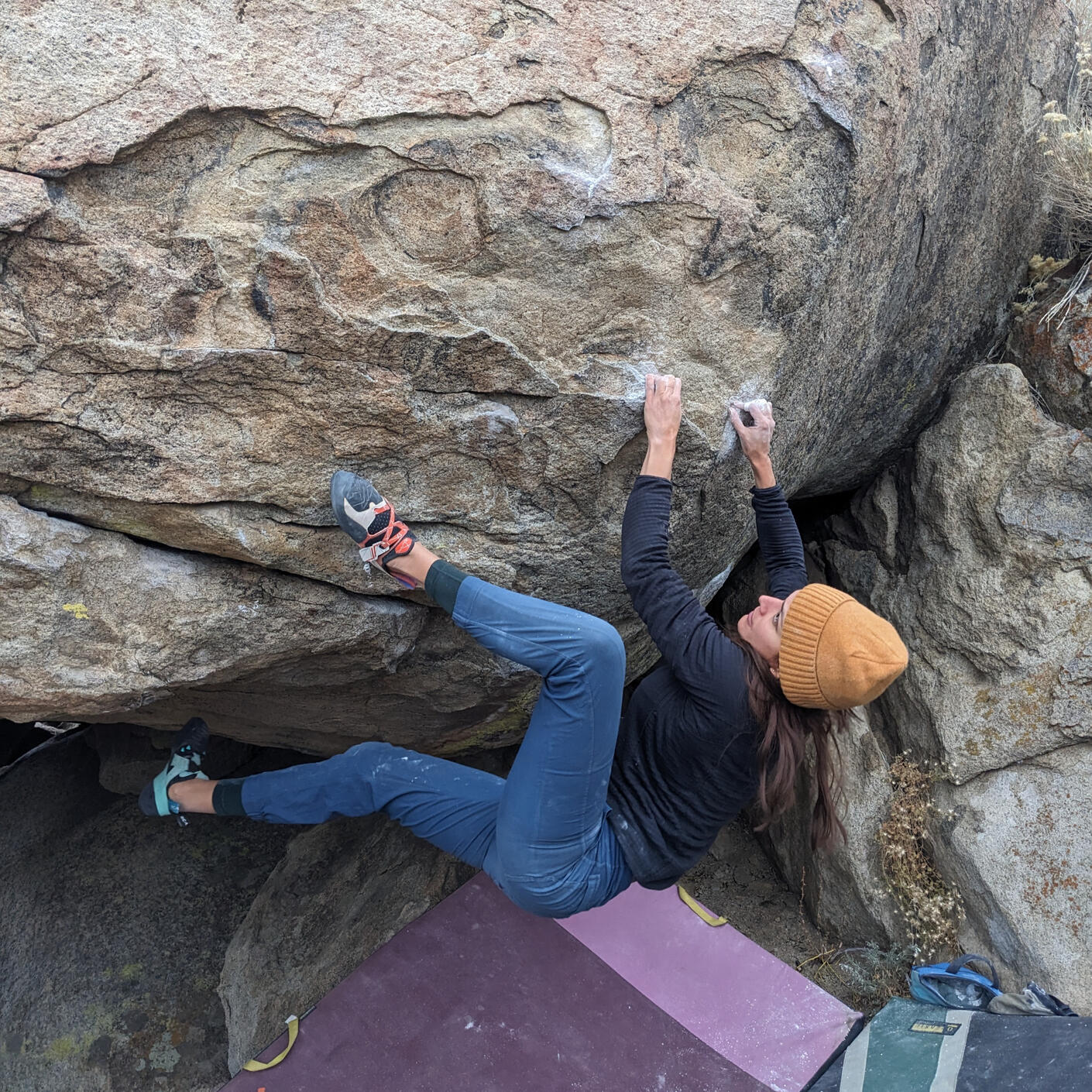
Unlock your full potential with specialized mental toughness coaching. I understand that success is not only about skills and knowledge but also about cultivating the right mindset. In Mental Toughness Coaching, I will lead you through understanding and learning how to manage your mind and emotions to optimize your performance. I will teach you strategies and exercises designed to enhance your resilience, focus, and overall mental toughness. Whether you're an athlete, professional, or someone seeking personal growth, my coaching will empower you to overcome challenges, build confidence, and perform at your peak. Take the first step towards a mentally stronger, more resilient you.Am I ready?
Many people come to me when they realize their thoughts, mindset and feelings are getting in the way of their performance in sports.
© Healthy Space Therapy. All rights reserved.
About Me

Laure Saint Georges Chaumet, M.A., LMFT
About Me
I'm Laure Saint Georges Chaumet, a Licensed Marriage and Family Therapist serving clients in California and Nevada. I believe therapy can be a place to better understand ourselves, develop new ways of responding to life's challenges, and build stronger relationships with the people who matter most. I work with high-functioning adults and couples who feel overwhelmed, stuck in recurring patterns, or disconnected from themselves and the people they care about.I have a particular interest in helping couples strengthen communication and stay connected through major life transitions, including marriage, parenthood, and family life.Clients often describe me as warm, thoughtful, and engaged. My approach combines insight with practical strategies, helping clients better understand themselves while learning new ways to respond to stress, anxiety, and relationship challenges.My Background
Having moved from France when I was 7 years old, I experienced firsthand what it is like to adapt to a new culture and environment. This experience helped shape my appreciation for different perspectives and continues to influence the way I work with individuals, couples, and families from diverse backgrounds.Over the years, I have worked with individuals, couples, and families navigating anxiety, life stress, relationship challenges, trauma, and major life transitions.Outside the Therapy Room
I am an avid rock climber and am passionate about working with athletes to improve mental toughness to optimize sports performance.
PROFESSIONAL BACKGROUND
• Mental Toughness Coaching Workshops with youth climbing athletes
• Founder of Healthy Space Therapy
• Individual and Family Therapist at Mind and Body Counseling Associates in Reno, NV
• Child, Parenting, and Family Therapist at The Children’s Cabinet in Reno, NV
• Residential Child and Family Therapist at Willow Springs Center in Reno, NV
• Mental Health Therapist at Sequel Alliance Family Services in Reno, NV
• Lead Clinician and PLUS Intensive Wraparound Facilitator at Seneca Family of Agencies in San Jose, CA
• Recovery Counselor at Alta Mira Recovery Program in Sausalito, CA
• Master’s Level Clinician at the Psychiatric Emergency Services at Riverside Community Care in Norwood, MA
• Clinical Intern in the Student Development and Counseling Center of Worcester Polytechnic Institute (WPI) in Worcester, MA
• Triage Coordinator and Clinical Intern at the Psychiatric Emergency Services and Crisis Stabilization Unit at Northeast Behavioral Health in Lowell, MA
• Lab Manager at the Child Cognition Lab at Boston University in Boston, MA
LICENSURE
• Licensed Marriage and Family Therapist, CA License # 101195
• Licensed Marriage and Family Therapist, NV License # 2562
DEGREES
• M.A. in Mental Health Counseling and Behavioral Medicine from Boston University, MA
• B.A. in Psychology and Business from Trinity University, TX
© Healthy Space Therapy. All rights reserved.
Blog
How Emotional Neglect Therapy Can Transform Your Self-View
Understanding Emotional Neglect Therapy
Emotional Neglect Therapy aims to help individuals who may have experienced emotional neglect in their past. It focuses on exploring and processing emotions that may have been overlooked or invalidated in childhood. The therapy helps individuals develop a deeper understanding of their emotions and how they can impact their self-perception. Techniques used in Emotional Neglect Therapy include identifying and expressing feelings, developing self-compassion, and building healthy emotional boundaries. Therapists work collaboratively with clients to create a safe and supportive environment for healing and personal growth.Signs of Emotional Neglect
If you constantly doubt your self-worth or feel a sense of emptiness, these could be signs of emotional neglect. Emotional neglect can lead to feelings of unworthiness and a lack of self-esteem. You may also find it difficult to express your emotions or maintain meaningful relationships. Another sign can be a tendency to avoid confronting your emotions or needs, leading to a sense of disconnection from yourself and others.Impact of Emotional Neglect on Self-View
When individuals experience emotional neglect in childhood, it can lead to feelings of low self-worth, insecurity, and difficulty in forming healthy relationships. People who have faced emotional neglect may struggle with self-esteem, self-confidence, and trusting others. These experiences can shape a person's perception of themselves and impact their overall well-being in adulthood.Importance of Seeking Therapy
Therapy can provide a safe space to explore and heal emotional wounds from neglect. It offers support and guidance to help you understand your feelings and improve your self-perception. Through therapy, you can develop healthier coping mechanisms and build a more positive self-image. Therapy can empower you to break negative patterns and cultivate a deeper sense of self-worth.How Emotional Neglect Therapy Works
Emotional neglect therapy aims to help individuals identify and address emotional needs that were not met in childhood. Through guidance and support from a therapist, individuals learn to recognize and express their emotions in a healthy way. This therapy often involves techniques such as expression exercises, mindfulness practices, and cognitive-behavioral strategies to help individuals build self-awareness and improve their emotional well-being. It can empower individuals to develop healthier relationships with themselves and others, leading to a more positive self-view.Building a Positive Self-View Through Therapy
Therapy can help you build a positive self-view by addressing underlying emotional issues and promoting self-awareness. Through therapy, you can learn to challenge negative thought patterns, develop coping strategies, and cultivate self-compassion. Therapists provide a safe space for you to explore your emotions and experiences, guiding you towards a healthier self-perception. By working with a therapist, you can gain insights into the root causes of your self-view and learn techniques to reframe your thoughts in a positive light.Techniques Used in Emotional Neglect Therapy
Therapists use various techniques in emotional neglect therapy to help you heal and improve how you see yourself. These techniques can include mindfulness, emotional regulation, building self-compassion, identifying and expressing emotions, and rewriting negative beliefs. By using these techniques, you can learn to validate your emotions, understand your triggers, and develop healthier ways to cope with past emotional neglect.Benefits and Outcomes of Therapy
Therapy can help you develop healthier relationships, increase self-awareness, and improve self-esteem. People often experience decreased anxiety and depression symptoms, along with enhanced emotional regulation skills. Therapy can provide a safe space to explore past experiences and current challenges, leading to a better understanding of oneself and improved coping mechanisms for difficult emotions.Self-Care Practices to Supplement Therapy
When you're undergoing therapy for emotional neglect, it can be beneficial to add self-care practices to your routine. These practices help support your mental health and well-being outside of therapy sessions. Here are some simple ways to enhance your self-care:
Practice mindfulness and meditation to stay grounded and focused on the present moment.
Engage in regular physical exercise to boost your mood and reduce stress.
Prioritize good nutrition to nourish your body and mind.
Get enough restful sleep to recharge and rejuvenate.
Connect with supportive friends and family members for emotional support.
Engage in activities that bring you joy and relaxation, such as hobbies or creative outlets.Embracing a New Self-View
Therapy for emotional neglect can help you see yourself in a new light. It focuses on your emotions, thoughts, and behaviors, aiming to improve your relationship with yourself. By exploring past experiences and current feelings, therapy guides you towards a more positive self-view. Therapy encourages self-compassion and self-acceptance, helping you build a healthier relationship with yourself.
How Trauma Shows Up in
High-Functioning Adults
When people think of trauma, they often imagine something obvious: panic attacks, emotional breakdowns, or an inability to function day to day. But many adults who carry trauma don’t look distressed at all. In fact, they often appear highly capable, successful, and “put together.”High-functioning adults with trauma are frequently overlooked—by others and by themselves.What Is Trauma, Really?Trauma isn’t defined solely by what happened. It’s defined by how the nervous system responded and whether it had the chance to fully process and resolve the experience.Trauma can result from:- Childhood emotional neglect
- Chronic stress or unpredictability
- Medical trauma
- Infertility or pregnancy loss
- Relational betrayal or abandonmentGrowing up with a caregiver who was emotionally unavailable, volatile, or overwhelmedMany high-functioning adults minimize their experiences because “nothing terrible happened.” Yet the body may still be carrying unresolved survival responses.Why High-Functioning Adults Often Don’t Recognize TraumaHigh-functioning adults often adapted early by becoming:- Responsible
- Self-reliant
- Attuned to others’ needs
- Achievement-orientedThese traits can lead to success—but they can also mask trauma. When coping strategies are praised, the underlying stress response often goes unnoticed.Trauma doesn’t always shut people down. Sometimes, it pushes them into constant motion.Common Ways Trauma Shows Up in High-Functioning Adults1. Chronic Overthinking and Mental ExhaustionMany high-functioning adults live in their heads. They replay conversations, anticipate problems, and struggle to mentally “turn off.”This isn’t a personality flaw—it’s a nervous system that learned vigilance as a form of safety.2. Difficulty Resting or Slowing DownRest may feel uncomfortable or even unsafe. When things get quiet, anxiety, guilt, or restlessness can surface.Busyness often becomes a way to regulate emotions without realizing it.3. Emotional Numbness or DisconnectionSome people don’t feel overwhelmed—they feel flat. Joy, excitement, and sadness may all feel muted.This can be a sign of a nervous system that learned to dampen emotional intensity to cope.4. Strong Inner Critic and PerfectionismA harsh internal voice is common in trauma survivors, especially those who grew up needing to perform well to receive approval or avoid conflict.Perfectionism often functions as a protective strategy: If I don’t make mistakes, I’ll be safe.5. Relationship Struggles Despite “Doing Everything Right”High-functioning adults may:- Overgive in relationships
- Struggle to ask for help
- Feel responsible for others’ emotions
- Experience anxiety around closeness or conflictThese patterns are often rooted in early relational experiences, not current relationships.6. Physical Symptoms Without a Clear Medical CauseTrauma frequently shows up in the body as:- Chronic tension
- Headaches
- Digestive issues
- Fatigue
- Sleep problemsThe body remembers what the mind may have learned to ignore.Why Trauma Often Emerges Later in LifeMany high-functioning adults don’t notice trauma symptoms until:- A major life transition
- A health issue
- Becoming a parent
- Infertility or pregnancy loss
- Relationship changes
- BurnoutWhen the systems that once kept things together are stretched, old survival patterns can surface.Trauma Is Not a WeaknessTrauma responses are adaptations. They develop because they worked—at one time.The goal of trauma-informed therapy is not to eliminate strengths, but to help the nervous system learn that it no longer has to operate in survival mode.How Therapy Can Help High-Functioning Adults with TraumaTrauma-informed therapy focuses on:- Understanding nervous system responses
- Increasing emotional safety
- Reconnecting with the body
- Reducing self-blame
- Creating more flexibility instead of constant controlFor many high-functioning adults, therapy is less about “coping better” and more about learning how to feel safe enough to rest, connect, and experience life more fully.Final ThoughtsIf you appear successful on the outside but feel chronically tense, exhausted, disconnected, or self-critical on the inside, trauma may be part of the picture—even if your experiences don’t seem to “qualify.”Trauma is not defined by how dramatic something looks. It’s defined by how deeply it shaped the nervous system.And healing doesn’t require falling apart—it often begins with understanding.
When couples therapy helps—and when it doesn’t
© Healthy Space Therapy. All rights reserved.
Contact Me

Ready to make a change in your life?
Make an appointment or schedule a free 15 min phone consultation!The best way to reach me to ask questions via email is by filling out the contact form below and I will get back to you within 1 business day.
Please DO NOT send confidential health information via this form or other electronic methods of communication. By engaging in these methods, you acknowledge and accept the risks to your confidentiality.
In case of a mental health or medical emergency please call 911
National Suicide Prevention Lifeline: 1-800-273-8255
Location:
I provide Telehealth and most of my clients are located in San Francisco, Oakland, San Mateo, San Jose, Bay Area, Los Angeles, San Diego, and Reno, NV
I am physically located in Reno, NV 89523© Healthy Space Therapy. All rights reserved.